
Why Jowling Occurs: Understanding the Anatomy of the Lower Face
When our jawlines begin to lose their once-sharp definition, our first thought is often of “loose skin”. However, "jowling"—the sagging of soft tissue along the lower border of the mandible—is far more complex than that phrase.
We believe that understanding the why is the first step toward a treatment plan that looks natural and feels like you. Ageing isn’t a single event; it’s a symphony of changes occurring across five distinct layers of your anatomy.
Think of your skeleton as the scaffolding of a house. As we age, we experience "bone resorption." The mandible (jawbone) loses height and projection. When the chin and prejowl areas become more recessed, the soft tissue loses its structural support and begins to fall forward and downward.
Our faces contain both deep and superficial fat pads. With time, deep fat pads tend to deflate (losing support), while superficial fat pads can descend. This redistribution creates a "heaviness" in the lower face, contributing to that less-defined jawline.
We have facial retaining ligaments (like the mandibular and masseteric ligaments) that act as anchors, tethering your soft tissue to the bone. Over time, these "anchors" stretch and weaken. As tension reduces, the fat pads and skin are no longer held in their original position and begin to succumb to gravity.
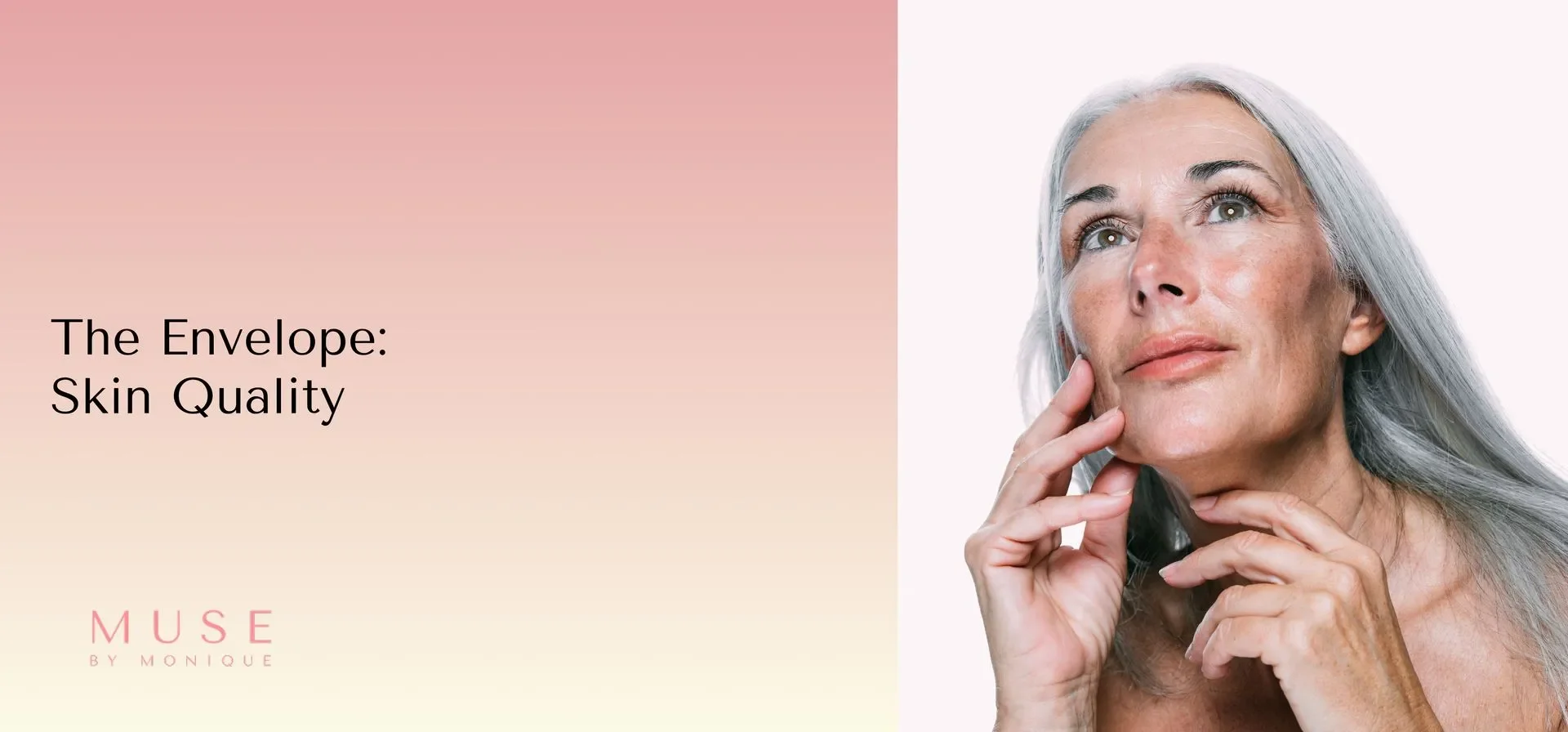
Skin quality directly dictates how well your face resists these changes. Factors like reduced collagen and elastin production, combined with UV exposure and lifestyle factors, lead to a loss of dermal thickness. Thinner, less firm skin is simply less capable of "holding it all in".
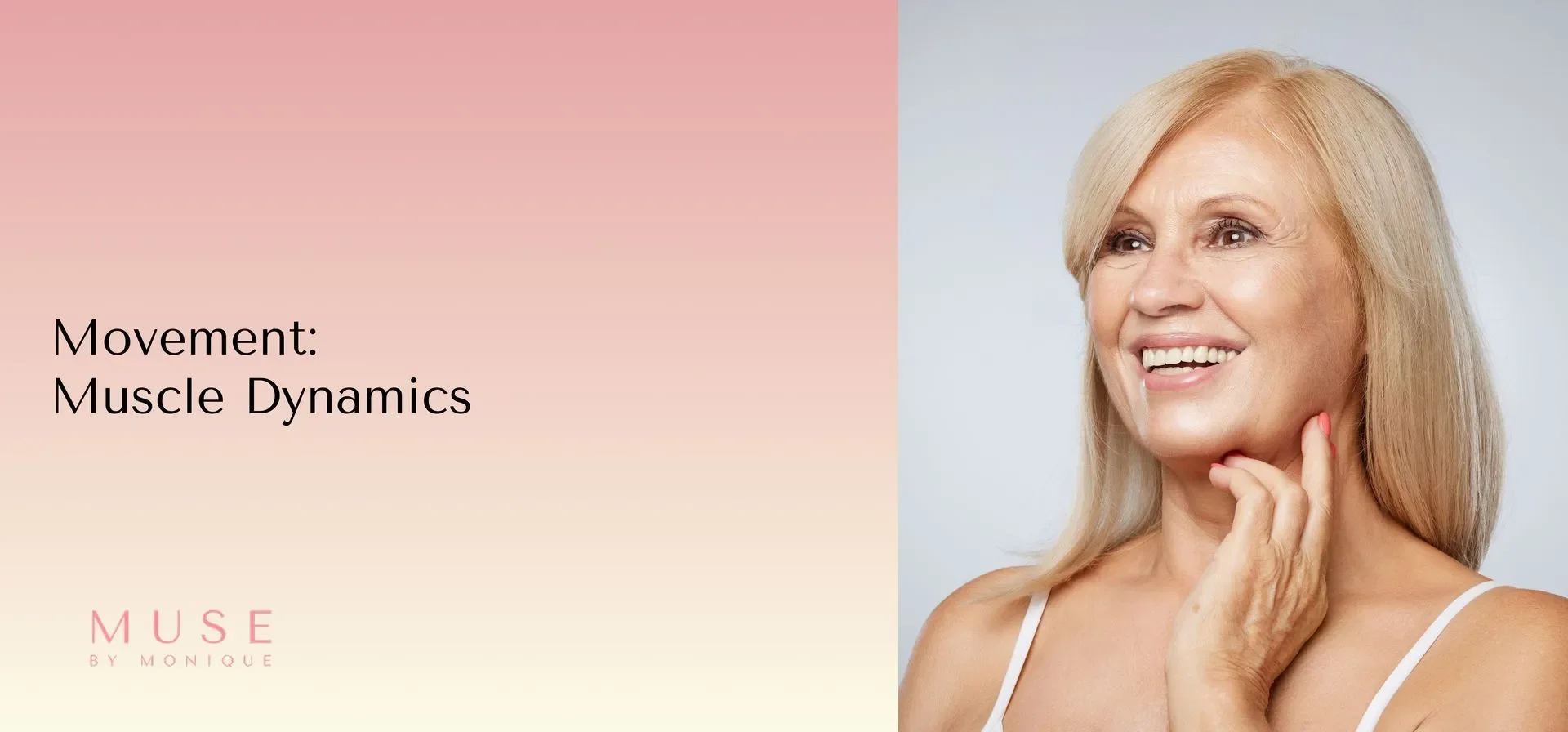
Finally, our muscles play a role. Overactivity in the platysma (the thin muscle covering the neck and lower face) can literally pull the lower face downward. These functional shifts are a normal part of the ageing process, but they do change how we approach rejuvenation.
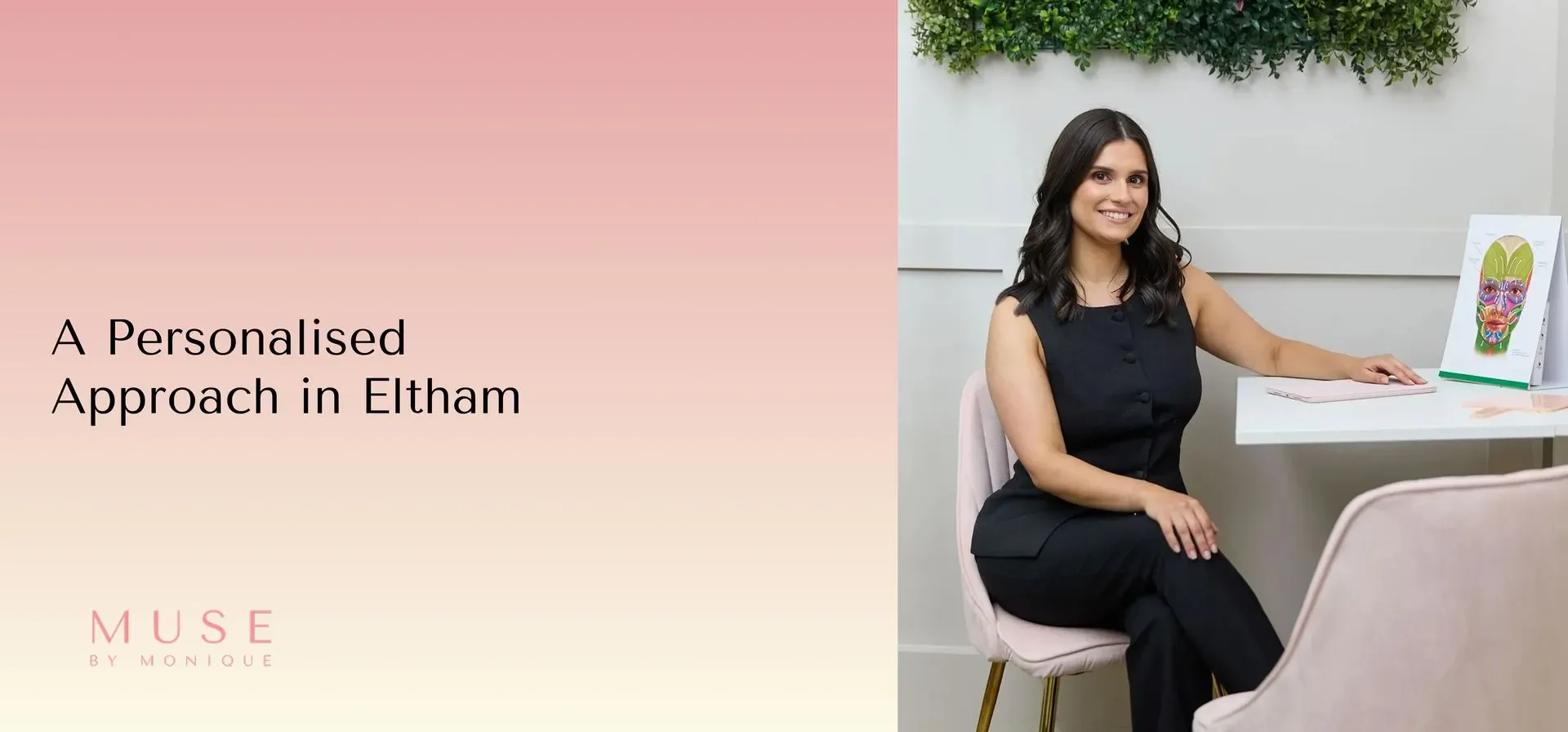
Because jowling is caused by a combination of these factors—genetics, lifestyle, and anatomy—there is no "one-size-fits-all" solution. At MUSE by Monique, we take the time for a thorough consultation to see which layers are most affected for you.
Ready to understand your unique anatomy? For a personalised assessment, we invite you to reach out and book a face-to-face consultation at our Eltham clinic.